Back
iCruise.com iCruise.com

Hurricanes, Cruise Lines and Cruise Ships

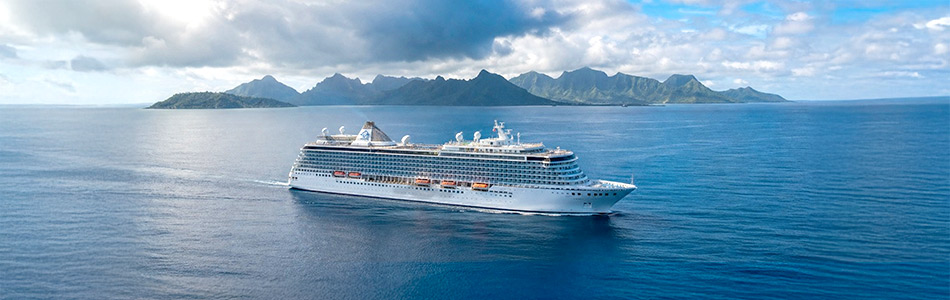
Cruise ship sailing away from inclement weather.

Cruising During Hurricane Season

Planning a cruise during hurricane season? These resources can help you stay informed about cruise line advisories, tropical weather conditions, and potential itinerary impacts.

Hurricane Advisories & Travel Resources

Cruise Line Travel Advisories

Check the latest hurricane-related updates directly from participating cruise lines.

The Weather Channel

Provides current weather conditions, tropical storm and hurricane updates, live video coverage, radar maps, satellite imagery, forecasts, and severe weather alerts.

Visit Weather.com

National Hurricane Center

Provides official forecasts, advisories, watches, warnings, storm tracking maps, weather outlooks, and hurricane preparedness resources.

Visit NHC

Frequently Asked Questions About Hurricanes and Cruise Ships

What is a hurricane?

According to the National Hurricane Center, "hurricane" is a name for a tropical cyclone, or low-pressure systems that develop in tropical areas of the Atlantic Ocean. In North America, we call them hurricanes, but in other parts of the world they are also called cyclones and typhoons.

Tropical cyclones with maximum sustained surface winds of less than 39 mph are called "tropical depressions." Once the tropical cyclone reaches winds of at least 39 mph it is typically called a tropical storm and assigned a name. If winds reach 74 mph then it is called a hurricane.

  • They are tropical, meaning that they are generated in tropical areas of the Atlantic Ocean near the Equator.
  • They are cyclonic, meaning that their winds swirl around a central eye. Wind direction is counterclockwise (west to east) in the Northern Hemisphere and clockwise (east to west) in the Southern Hemisphere (more about this later).
  • They are low-pressure systems. The eye of a hurricane is always a low-pressure area. The lowest barometric pressures ever recorded have occurred inside hurricanes.
  • The winds swirling around the center of the storm have a sustained speed of at least 74 mph.
When is hurricane season?

Hurricane season officially begins June 1st and continues through November 30th. During this period, tropical depressions, tropical storms and hurricanes form in the warm waters of the Atlantic Ocean and the Caribbean Sea. Many of these storms stay out at sea, but some threaten the Caribbean, the eastern and gulf coasts of the United States, Mexico, Central America and the Caribbean. If you plan to cruise at this time it's possible that a storm could be present and affect your travel.

How are hurricanes named?

Hurricanes are named to make storms easier to track. Names are selected from rotating lists, with the first named storm of the season beginning with A, the second with B, and so on.

How are hurricanes categorized?

Once a hurricane forms, it is rated on the Saffir-Simpson Hurricane Scale. There are five categories in this rating system determined by the sustained wind speed found within the storm. This helps explain the potential effects of the storm when it makes landfall, including storm surge, flooding, and structural damage.

Category 1 74 - 95 mph
  • Storm surge 4 to 5 ft above normal
  • Some flooding
  • Little or no structural damage
Category 2 96 - 110 mph
  • Storm surge 6 to 8 ft above normal
  • Trees down
  • Roof damage possible
Category 3 111 - 130 mph
  • Structural damage to houses
  • Mobile homes destroyed
  • Severe flooding
Category 4 131 - 154 mph
  • Severe inland flooding
  • Some roofs ripped off
  • Major structural damage
Category 5 155+ mph
  • Severe flooding further inland
  • Serious damage to most wooden structures
What's the difference between a Hurricane Watch and a Hurricane Warning?

A hurricane watch means hurricane conditions are possible. A hurricane warning means hurricane conditions are expected. A warning is more urgent and usually requires immediate preparation.

Are cruises ever canceled because of hurricanes?

Yes, but cancellations are rare. Cruise lines work diligently to avoid storms by adjusting itineraries, modifying port calls, or altering departure and arrival times when necessary. The safety and comfort of guests and crew remain the highest priority, and cruises are canceled only as a last resort.

Can the cruise line change my cruise itinerary because of a hurricane?

Yes. Cruise lines may modify itineraries due to hurricanes or other weather-related conditions, and they make this clear in their websites, tickets, and cruise contracts. In fact, adjusting an itinerary is the most common way cruise lines avoid severe weather while still providing guests with a safe and enjoyable vacation experience.

Although hurricanes can be large, they are relatively localized and can often be tracked days in advance. Cruise lines continuously monitor weather conditions using sophisticated forecasting tools and information from organizations such as the National Hurricane Center. This allows them to make informed decisions about rerouting ships away from the storm's projected path.

It is important to understand that cruise lines reserve the right to alter itineraries, change the order of ports, substitute ports of call, or adjust arrival and departure times when necessary. These decisions are made with the safety and comfort of guests and crew as the highest priority. For this reason, travelers should view ports of call as part of the overall vacation experience rather than booking a cruise solely for a single destination.

What happens if there s a hurricane during my cruise?

If a hurricane is expected to affect your cruise, the cruise line will often adjust the itinerary to keep the ship safely away from the storm's projected path. In many cases, alternative ports or routes can be substituted, allowing guests to continue enjoying their vacation while avoiding severe weather.

If the storm is expected to impact the embarkation or disembarkation port, the cruise line may also adjust departure or arrival times. For example, a ship may depart earlier than scheduled to stay ahead of the storm or return to port later if conditions are unsafe. These decisions are made with the safety and comfort of guests and crew as the highest priority.

Cruise lines closely monitor weather conditions and typically wait until they have the most accurate forecast information before announcing itinerary changes. For the latest updates, guests should monitor the cruise line's website and communications. At iCruise, we also closely track developing weather situations and will contact you directly if your reservation is potentially affected.

Can I cancel or reschedule my cruise if a hurricane threatens?

In most cases, guests cannot cancel or reschedule a cruise due to a potential hurricane without incurring penalties or additional costs. The best approach is to remain patient and wait for the cruise line to issue an official announcement regarding any itinerary or schedule changes.

If a hurricane is expected to affect a sailing, the reservation will often already be within the cruise line's final cancellation period. As a result, voluntary cancellations are typically subject to the standard cancellation penalties outlined in the cruise line's policies.

Similarly, requests to postpone or reschedule a cruise are generally treated as a cancellation of the original booking and may be subject to the same penalties. In addition, any new reservation would be booked at the current available fare, which could be higher than the original cruise price.

Will a cruise ship visit a port that has been hit by a hurricane?

After a hurricane has passed, the cruise line will assess local conditions and visit the port only if it is safe and able to support the expected guest experience.

Does travel protection insurance cover a hurricane?

Many travel protection plans include coverage for certain weather-related events, including hurricanes, provided the policy was purchased before the storm was named or became a known threat to your travel plans. Because coverage varies by provider and policy, it is important to review your plan's terms and conditions carefully.

Travel protection is designed to protect against unexpected events, which is why coverage may be limited or unavailable once a storm has already developed or is forecast to affect your trip. For this reason, purchasing coverage early is generally recommended.

While no insurance policy can guarantee coverage for every situation, travel protection may provide valuable benefits in the event of trip delays, interruptions, cancellations, or missed departures. It can also provide peace of mind and an added layer of protection should your travel plans be affected by severe weather.